First: Greenhouses
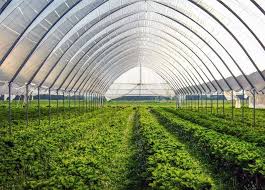
The current and future Saudi vision in the agricultural sector focuses on relying on agricultural greenhouses as one of the most important solutions to address water scarcity and the excessive depletion of water resources in traditional agriculture. This approach falls within the Kingdom’s efforts to achieve sustainable agricultural development, supporting national strategies and encouraging and facilitating the provision of agricultural loans to farmers for implementing greenhouse projects through the Agricultural Development Fund.
We hope that greenhouse projects will be able to create added value in the agricultural sector, which is the most important objective in the world of economics. Transforming these projects into an integrated industry could represent one of the most significant pillars of the national economy in the future, in addition to increasing the contribution of the agricultural sector to the gross domestic product (GDP).
It is not surprising to say that agricultural greenhouses contribute significantly to achieving a high level of food security in the Kingdom; moreover, in our view, they may represent the optimal solution for developing and reclaiming many of the barren lands across the Kingdom.
For this reason, we have taken part in the Kingdom’s agricultural development journey. Our organization has been managing greenhouse projects and their warehouses for more than ten years, supported by the launch of our greenhouse manufacturing plant, which designs and manufactures greenhouse steel structures using the latest programmed cutting and welding technologies, operated by qualified engineers and trained technical labor. In addition, we have partnered with several national and international companies to provide greenhouse requirements such as cooling, ventilation, lighting systems, and more. This has enabled us to deliver comprehensive solutions to our clients and meet their needs at competitive prices and high quality.
Types of Agricultural Greenhouses
Traditional Greenhouses (Seasonal Cultivation Only)
Cooled Greenhouses (Year-Round Cultivation)
Multi-Span Agricultural Halls (Year-Round Cultivation)
Multi-Unit Agricultural Halls (Year-Round Cultivation)
Agricultural Halls with Drip Irrigation System (Year-Round Cultivation)
Greenhouses
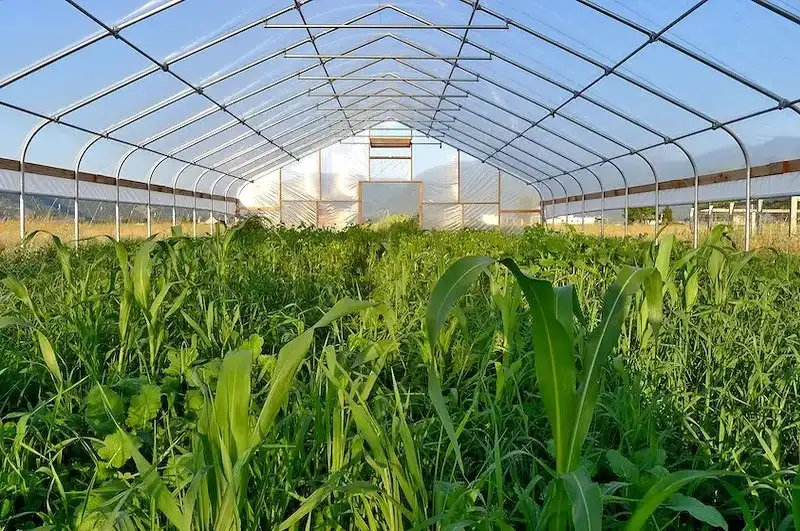
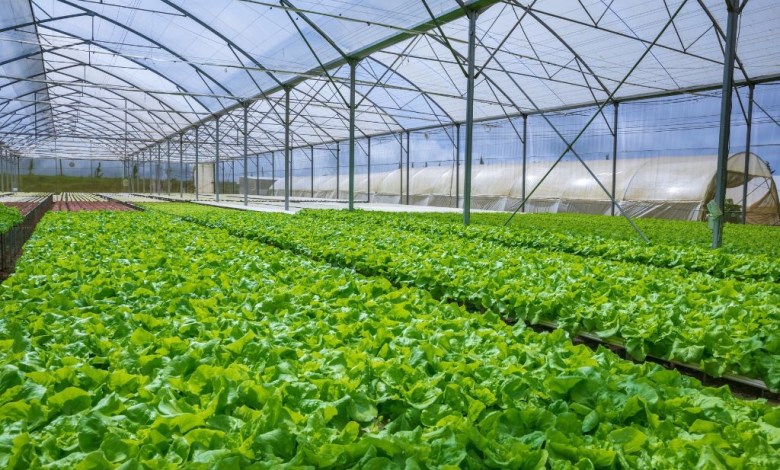
Greenhouses are a modern agricultural method used for cultivating crops such as vegetables, flowers, medicinal plants, and ornamental plants. They are used for protected agriculture, where the internal climate can be controlled using cooling and heating systems to regulate suitable temperature and humidity levels for plant germination, as well as to protect plants from wind, sandstorms, and rain.
Advantages of Greenhouse Construction
Producing vegetable crop seedlings outside their normal growing seasons throughout the year.
Increasing productivity compared to traditional farming by increasing plant density and producing crops with high market-quality specifications.
Reducing water consumption through efficient irrigation systems and better irrigation management.
Controlling suitable temperature levels for plants and protecting them from extreme heat and frost through heating and cooling systems, as well as better pest control compared to open-field agriculture.
Producing a wide variety of flowers and indoor plants throughout the year.
Reducing labor requirements for cultivation and production processes.
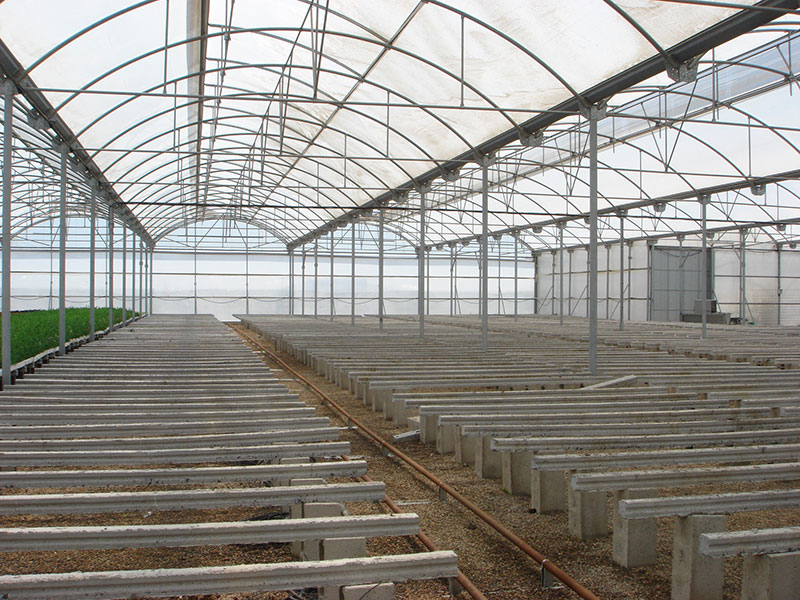
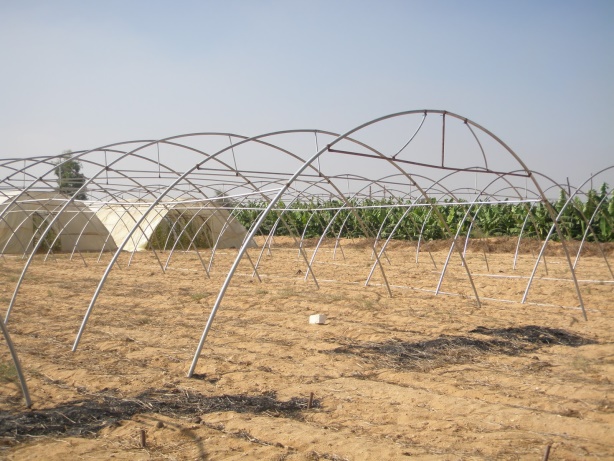
Types of Steel Structures for Greenhouses – Saudi-Made by Al Anhar Al Arabia
- Standard Greenhouse Structures (CT.56 / CT.40) (Tunnel Shape)
Climate-Controlled Greenhouse Structures (ACFG / ACPL) (Tunnel Shape)
Advanced Climate-Controlled Greenhouse Structures (ACFGS) (Semi-Circular Roof)
Multi-Span Agricultural Hall Structures (Curved Roof)
Multi-Unit Agricultural Hall Structures (Gable Roof)
The national steel structure consists of the following components:
Foundations: Made of galvanized pipes, 2-inch diameter, 2 mm thickness
Arches: Made of galvanized pipes, 2-inch diameter, 2 mm thickness
Hangers: Made of galvanized pipes, 1.5-inch diameter, 1.5 mm thickness
Roof trusses: Made of galvanized pipes, 3/4-inch diameter, 1.5 mm thickness
Connecting beams: Made of galvanized pipes, 1-inch diameter, 2 mm thickness
Braces: Made of galvanized pipes, 1-inch diameter, 1.5 mm thickness
Stiffeners: Made of galvanized pipes, 1-inch diameter, 2 mm thickness
Clamps: Made of galvanized steel sheets with various thicknesses, shapes, and dimensions according to their function
Types of Imported Steel Structures for Greenhouses
Multi-Span Agricultural Hall Structures (Gothic Type)
Multi-Unit Agricultural Hall Structures (Gable Type)
All structures are manufactured using Hot Deep Galvanized steel, providing high resistance to rust and harsh weather conditions. Production inputs are sourced from the most reputable suppliers and manufactured according to high-quality industrial standards, based on our firm belief that product quality always begins with premium production materials to achieve an outstanding final product.
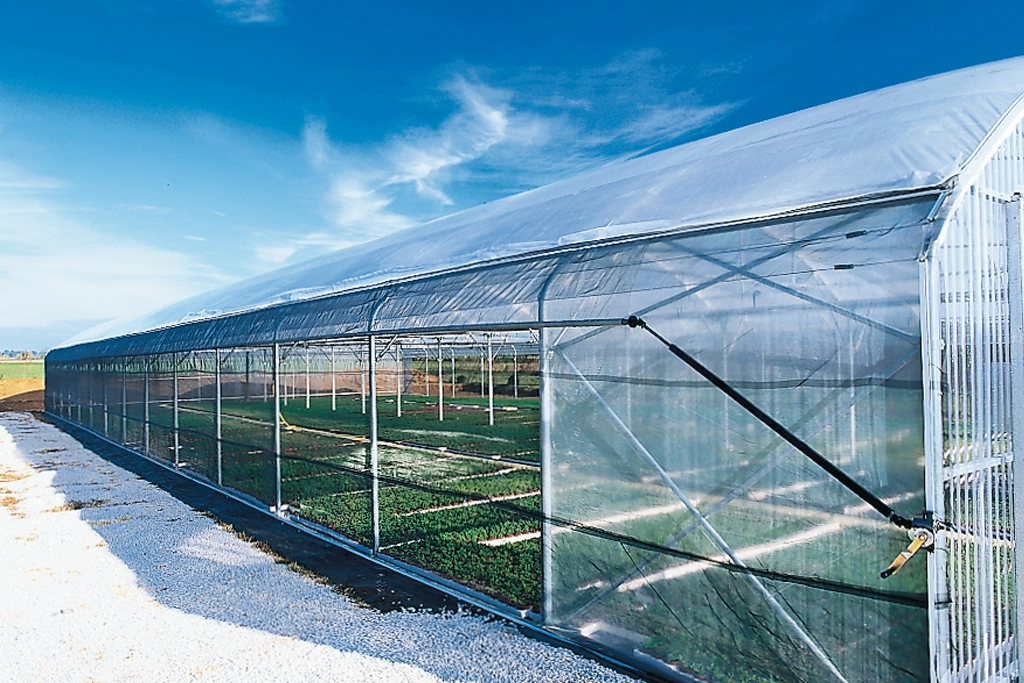
National greenhouse steel structures are manufactured by trained labor using the latest modern technologies in cutting, pressing, and welding processes. Advanced equipment is utilized, including pipe-cutting machines, hydraulic cutting systems, and hydraulic pressing equipment, with strict quality control standards to ensure the highest level of precision and durability. This makes our steel structures high-quality products approved within the Saudi market.
As for imported greenhouse steel structures, they are supplied by internationally recognized companies with strong reputations and extensive experience in the production and implementation of greenhouse projects. These companies maintain strong working relationships across multiple countries, particularly in several European nations. We also maintain partnerships with a number of greenhouse manufacturers in China, where some of their products have reached European and Turkish design standards and are successfully used in greenhouse projects.
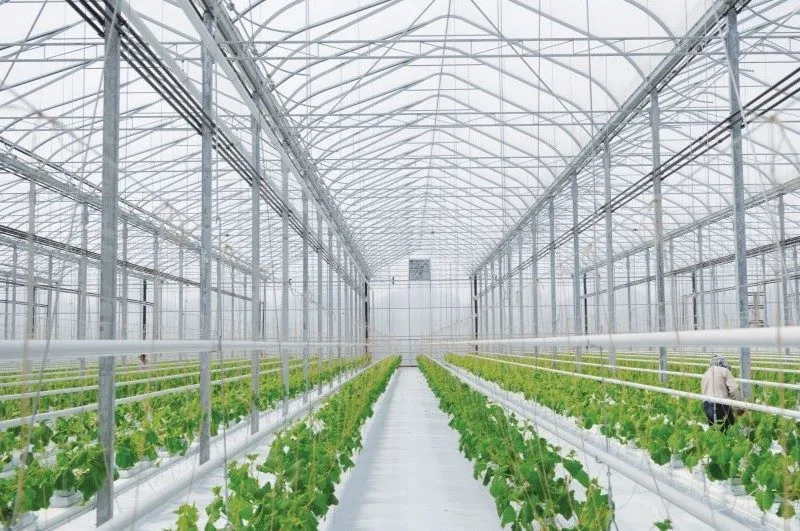
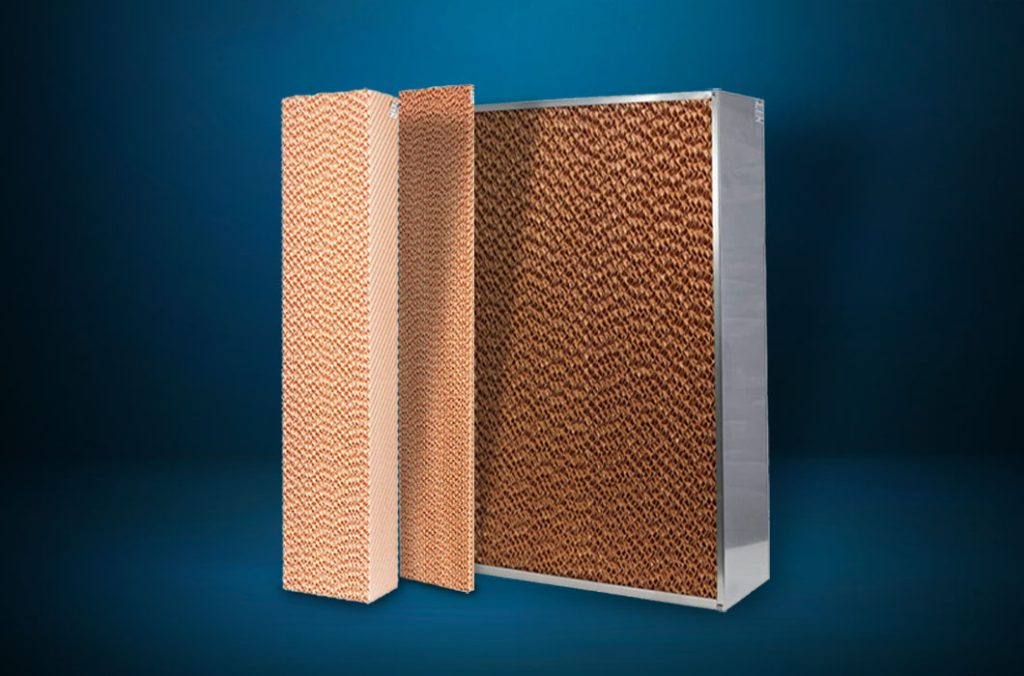
Greenhouse Equipment - Evaporative Cooling Systems
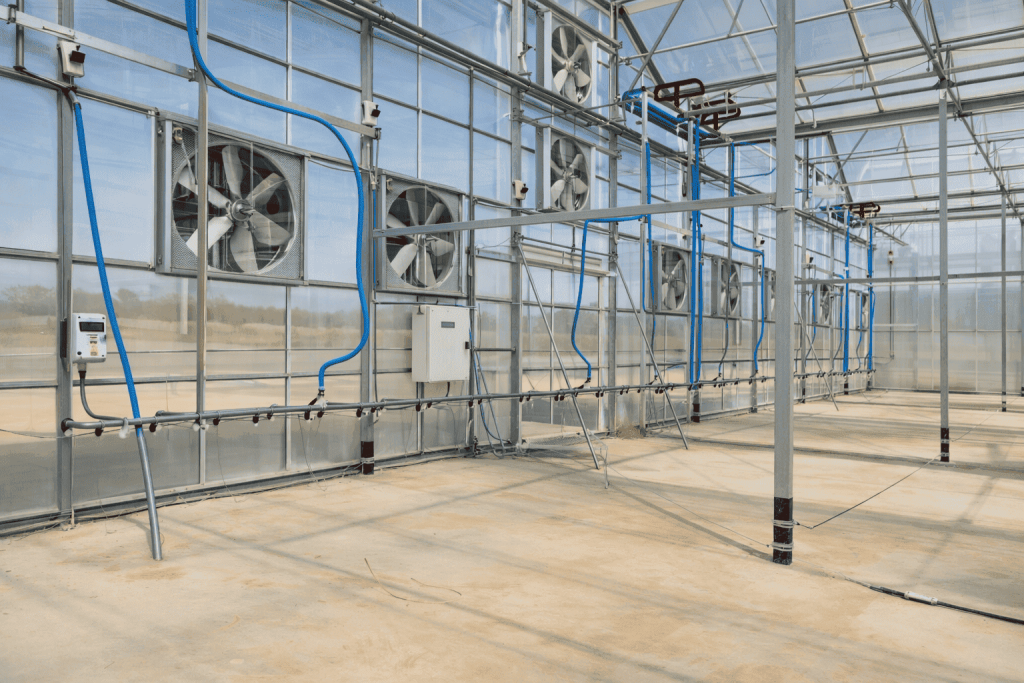
Evaporative cooling systems are used in greenhouses to reduce internal temperatures and improve air quality. These systems include exhaust fans, cooling pads, and water distribution networks, helping to create an optimal environment for plants.
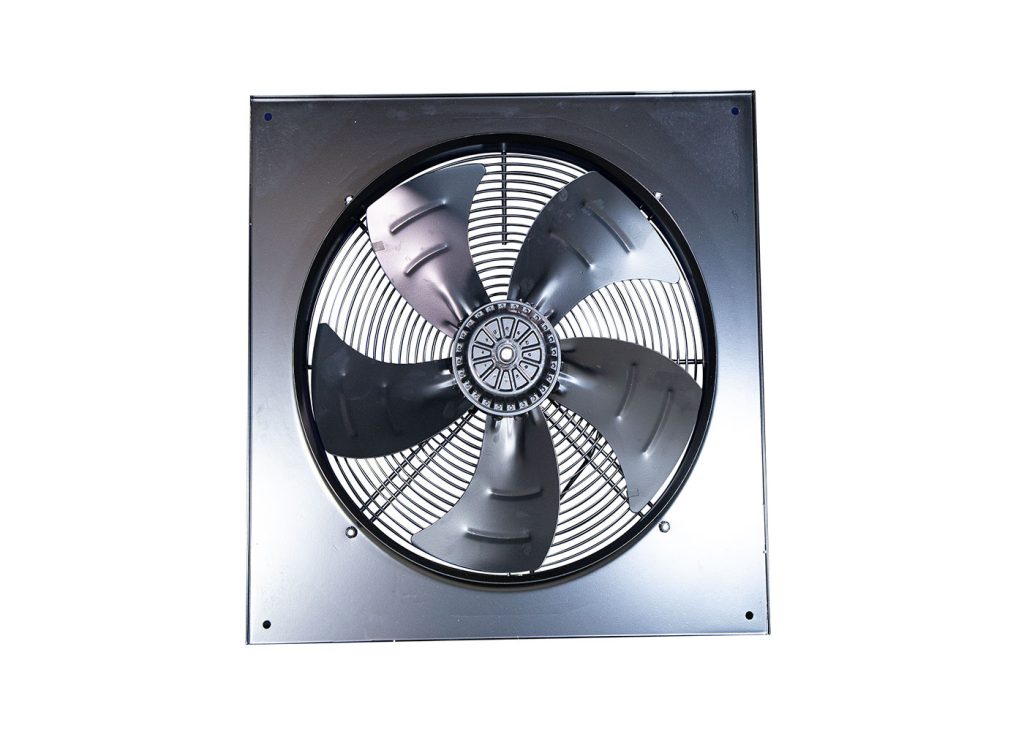
Exhaust Fans
Cooling pads are made of specially treated cellulose sheets assembled in a structure that allows air to pass through them. When the system operates, hot air flows through the water-saturated pads, where it is cooled and humidified before entering the greenhouse.
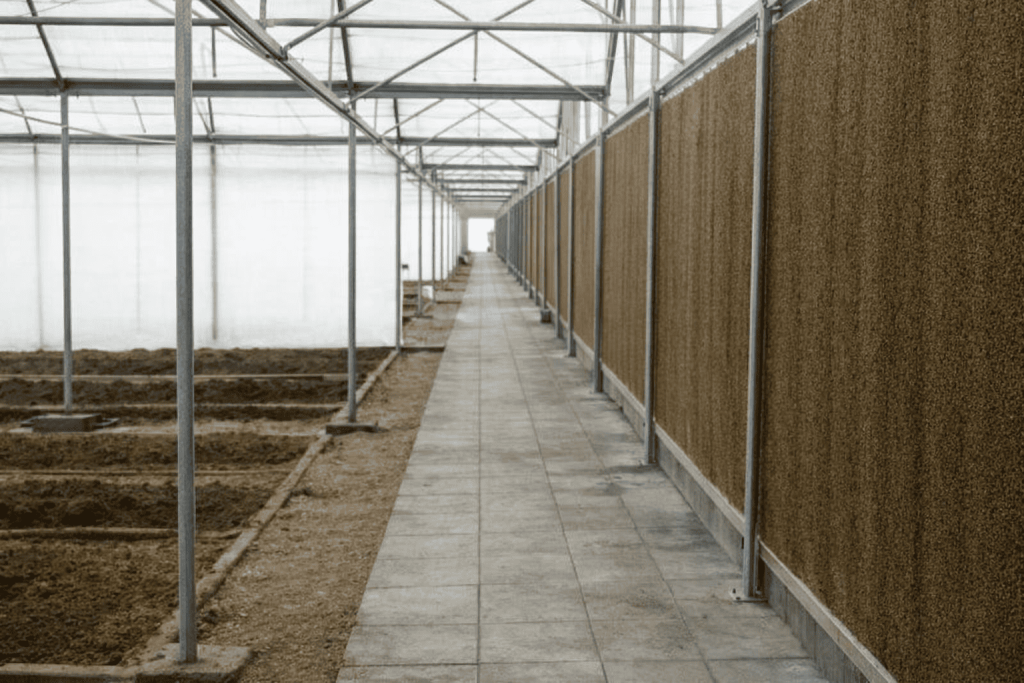
Cooling Aluminum Profiles
Cooled aluminum sections are used to support and install cooling systems. They are lightweight, durable, and easy to install, helping secure cooling pads and ensure efficient air distribution inside the greenhouse.
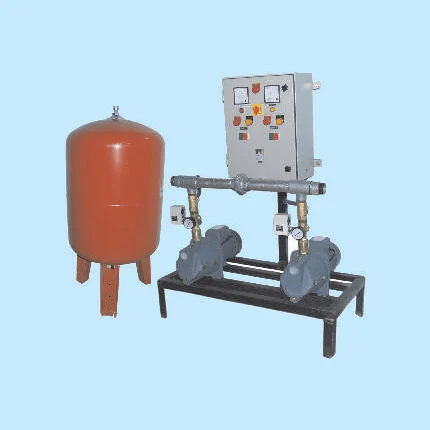
Cooling Washers & Systems
Evaporative cooling washers and systems are designed to operate with greenhouse cooling setups. They pump water to the cooling pads, include filtration systems for protection, and are equipped with electrical control panels to ensure safe and reliable operation.
Greenhouse Equipment
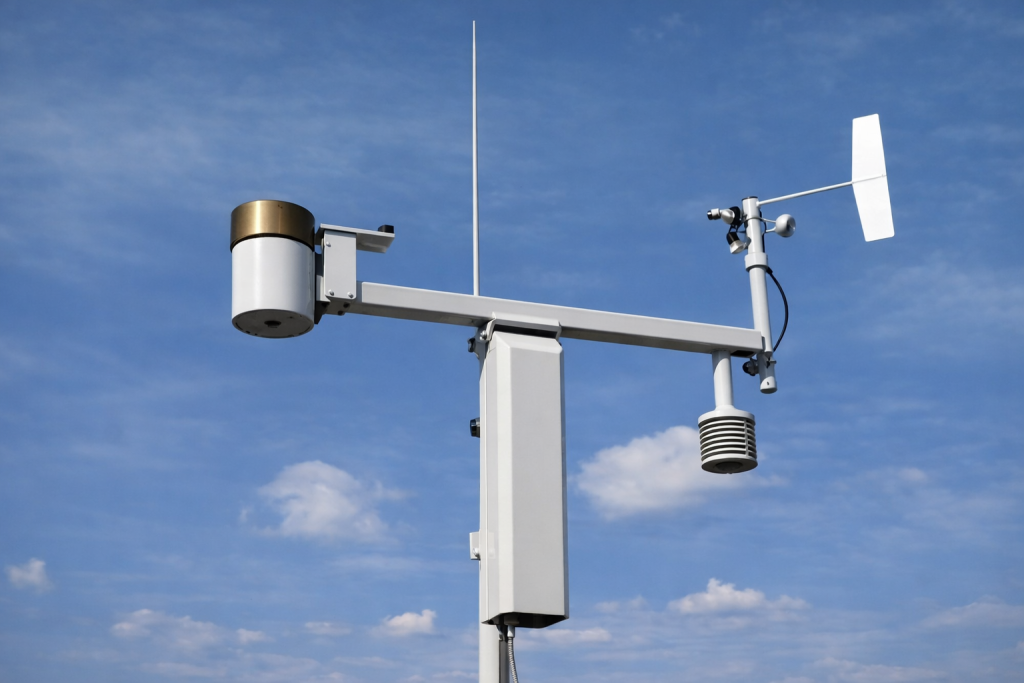
Climate Control Systems
( Electrical Control Panels / Temperature & Humidity Sensors / Weather Stations )
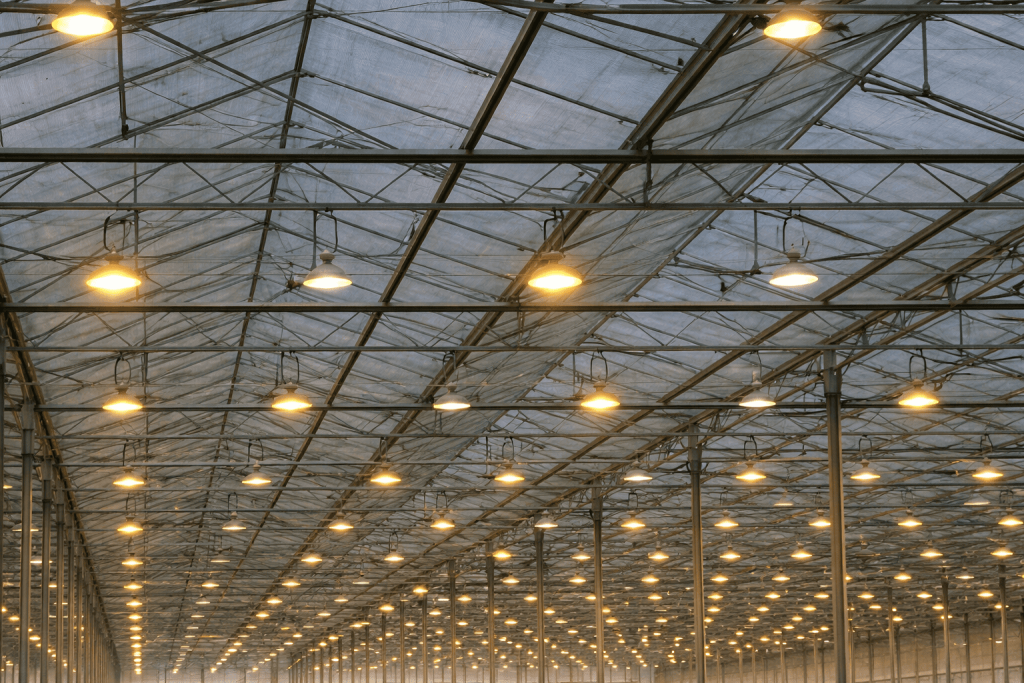
Lighting and Shading Systems
( Internal Lighting / Internal and External Shading Systems )
Greenhouse Equipment External Coverings
Standard Plastic Cover
It is installed on the structures of standard arched greenhouse frames (tunnels) only, in the form of continuous strips that are welded together. Its specifications are as follows:
Thickness: 200 microns
Light transmission: 80%
Treatment: UV-resistant treatment (5%)
Color: Yellowish tint
Packaging: Roll
Roll dimensions: 7 meters × 45 meters
Corrugated Plastic Cover
It is installed on the structures of climate-controlled arched greenhouses (tunnels) and on the roofs of multi-span agricultural halls, in the form of a single sheet extending along the full length of the greenhouse. Its specifications are as follows:
Thickness: 200 microns
Light transmission: 80%
Treatment: UV-resistant treatment (5%)
Color: Yellowish tint
Packaging: Roll
Roll dimensions: 14 meters × 41 meters
Fiberglass
It is installed on the structures of climate-controlled arched greenhouses (tunnels) and multi-span agricultural halls, in the form of continuous strips welded together. Its specifications are as follows:
Thickness: 0.8 mm
Light transmission: 86%
Treatment: UV-resistant treatment
Thermal tolerance: from -40°C to +140°C
Color: Yellowish tint
Packaging: Roll / Sheet
Roll dimensions: 2.6 meters × 50 meters
Sheet dimensions: 1.1 meters × 6.6 meters
Polycarbonate
Polycarbonate is considered one of the best coverings for agricultural greenhouses due to its wide range of properties and specifications. It is available in three main types: Corrugated – Hollow – Multi-wall. Each type is suitable for a specific type of steel structure.
Corrugated type: Installed on arched greenhouse structures (tunnels) and agricultural halls.
Hollow and multi-wall types: Installed on standing greenhouse structures with gable roofs or multi-unit agricultural halls.
Panel dimensions:
Corrugated panels: 1.6 meters × 6 meters
Hollow panels: 2 meters × 6 meters
Double-wall panels: 2.1 meters × 5.8 meters
Shade Net
It is installed on steel structures of nurseries used for producing ornamental plants and outdoor trees. The external layers are assembled and fastened together to fully cover the nursery (roof and sides), regardless of the nursery’s total area.
The shading percentage varies according to the light intensity required for plants and trees. It is commonly available with shading rates ranging from 50% up to 90%, with 70% being the most commonly used. It is available in black and green colors and supplied in roll form.
Roll dimensions:
Length: 50 meters × Width: 3 / 4 meters
Second: Landscape Gardening
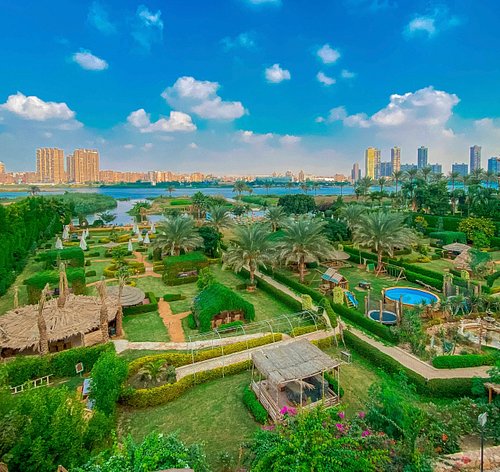
Landscape Design, Parks Implementation, and Irrigation Networks Department
The Landscape Design, Parks Implementation, and Irrigation Networks Department is considered one of the most important departments of Al Anhar Al Arabia Company for Irrigation and Agriculture Systems, as it represents the starting point of our agricultural activity. We have successfully completed many major government projects and are accredited as irrigation and agriculture contractors with several ministries and both public and private entities across the Kingdom.
This department marked the beginning of our agricultural operations, through which we executed numerous significant government projects. As a result, we have gained extensive experience and built strong trust with our clients and success partners from both governmental and private sectors throughout various regions of the Kingdom.
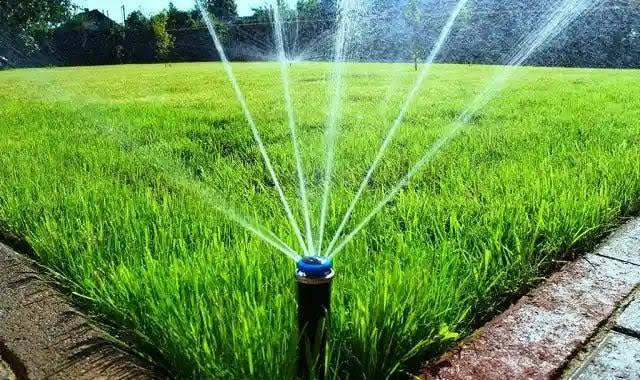
Irrigation and Landscape Works
The presence of parks and recreational areas is considered one of the essential elements in modern city designs and urban planning, and in people’s lives, due to their multiple benefits, including aesthetic, economic, cultural, health, and recreational value.
Public parks and recreational areas are also considered permanent destinations for city residents to spend leisure and relaxation time. They often include designated areas for practicing sports activities such as walking or jogging, children’s playgrounds, seating and rest areas, and various recreational facilities.
Landscape design, planning, and planting is an advanced science closely connected to human life since ancient times. This field has long been associated with the planning, development, and management of green spaces. Landscape design relies on precise scientific and practical principles to achieve the intended purpose of design and coordination, all of which serve humanity while considering psychological, physical, and recreational needs.
The company began designing and executing irrigation and landscape projects more than twenty years ago. This accumulated experience has enabled us to undertake numerous governmental and private projects for the design and implementation of landscape works and irrigation networks. These projects are carried out by highly qualified agricultural engineers, technicians, and well-trained labor to achieve the highest levels of efficiency.
The company has also specialized in executing landscape and irrigation network projects for greenhouses, as well as planting trees and palm trees, using the highest quality locally manufactured and imported products.
الري بالتنقيط:
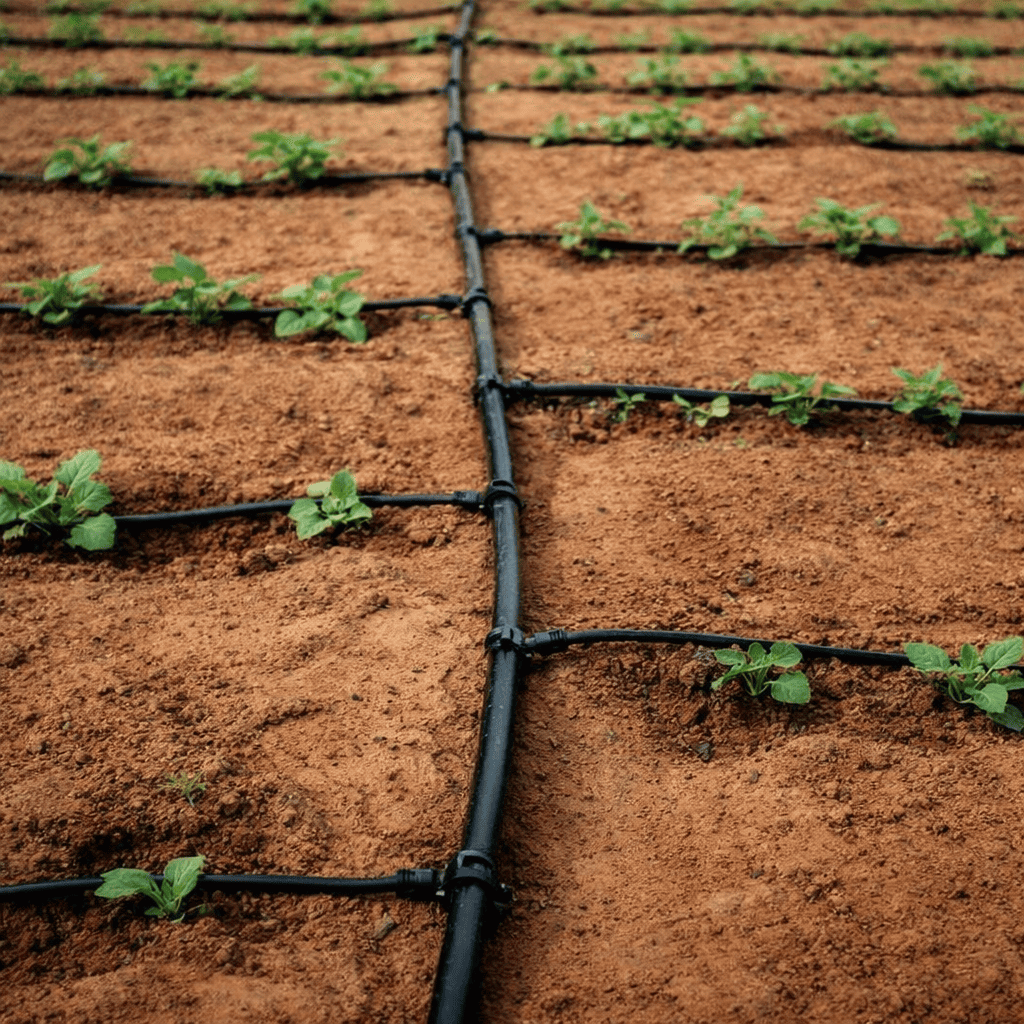
Drip irrigation is a system in which water is applied directly to the soil in quantities close to field capacity, in the form of small droplets delivered directly to the root zone. This system is distinguished by wetting only part of the soil, while other areas remain dry throughout the season. As a result, it provides many benefits with very few drawbacks.
Advantages of Drip Irrigation:
Promotes plant growth, increases crop yield, and reduces soil salinity problems in the root zone.
Improves and reduces the use of fertilizers and other chemicals, lowers labor requirements, and enhances agricultural operations.
Reduces weed growth and allows maintenance operations to be carried out during irrigation.
Allows the use of relatively saline water and can be combined with sprinkler or flood irrigation systems.
Enables the system to operate fully automatically.
Consumes approximately half the amount of water required for sprinkler irrigation.
Reduces fungal diseases since plant leaves are not wetted, making it highly suitable for desert lands.
Can be used in uneven areas with natural topography unsuitable for surface irrigation.
Reduces water loss caused by deep percolation below the root zone.
Artificial Grass
There is no doubt that modern technology in the field of petrochemical industries has contributed significantly to providing alternative solutions and materials for the agricultural sector. One of the most important of these alternatives is Artificial Grass.
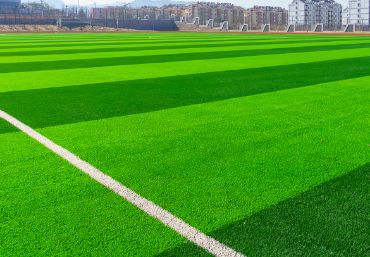
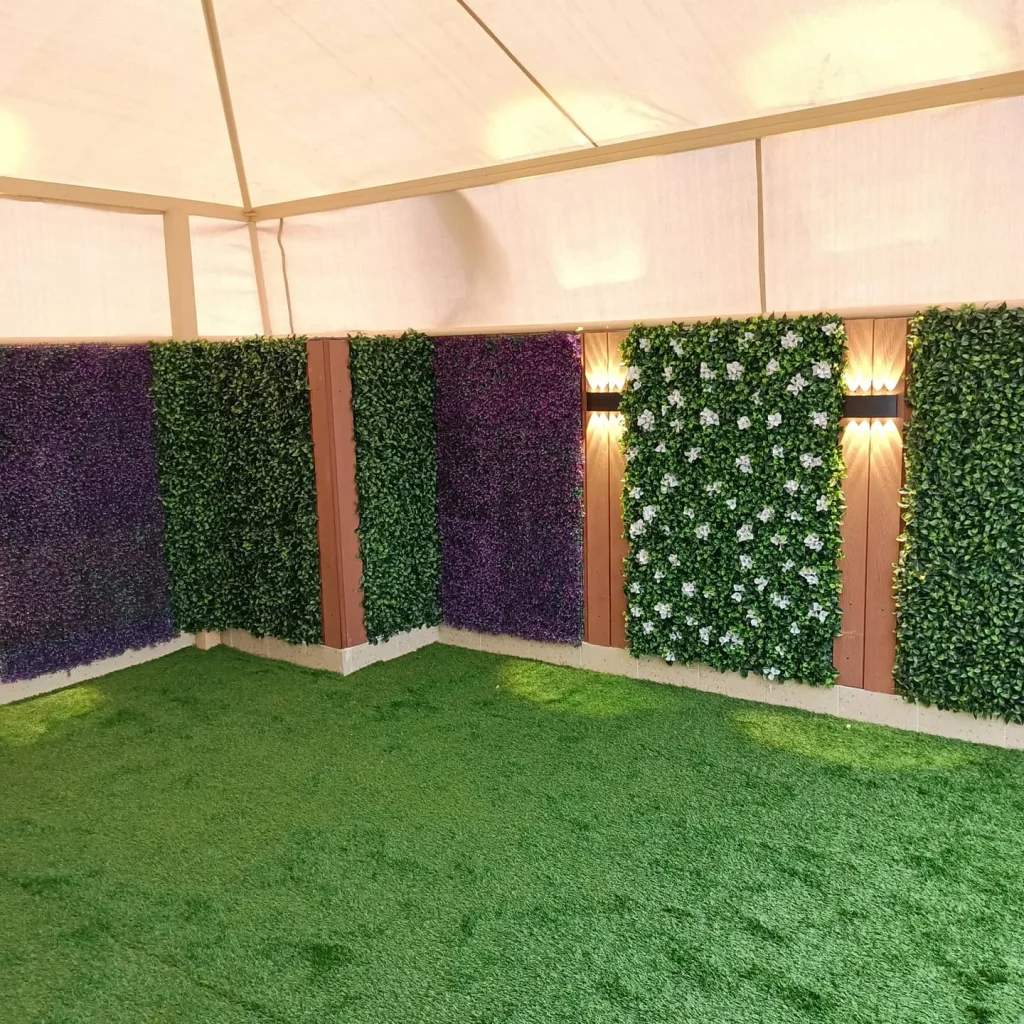
Artificial grass is manufactured according to international standards to serve as an effective alternative to natural grass, maintaining its appearance and texture while avoiding the common problems and disadvantages of natural grass. Artificial grass is made of polyethylene fibers designed to closely resemble natural grass in both form and feel. In addition, it includes a mixture of silica sand and rubber granules, which enhances durability and provides a natural, realistic surface.
Given the scarcity of water resources in the Arab region, artificial grass has become an ideal solution for water conservation and maintaining green spaces. It is widely used in gardens, children’s playgrounds, chalets, sports fields, and recreational areas.
Recently, the demand for artificial grass has increased significantly, leading to the expansion of its marketing and the establishment of a dedicated department within the company specializing in the supply and installation of artificial grass across all regions of the Kingdom. This includes landscaping projects, parks, school playgrounds, as well as private projects such as villas, palaces, and resorts. We have successfully executed numerous projects approved by the Ministry of Higher Education and various other governmental and private entities.
Advantages of Artificial Grass
Helps conserve water resources as it does not require irrigation, eliminating the need for complex irrigation networks used with natural grass.
Flexible, easy, and quick to install, with no need for regular mowing or intensive maintenance like natural grass, saving time and effort.
Environmentally friendly as it does not require pesticides or chemical treatments.
Suitable for year-round use in sports fields and public and private gardens.
Resistant to sunlight and ultraviolet (UV) rays, as it is manufactured from UV-treated polyethylene materials.
Significantly lower maintenance costs compared to natural grass.
Reduces the spread of harmful insects often associated with soil cracks in natural grass.
Fire-resistant, easy to maintain, and has a long lifespan.
Can be reused multiple times and easily dismantled, relocated, and reinstalled at another site.
Can be installed on various surfaces such as concrete, sand, clay soil, or coastal areas, unlike natural grass which requires specific soil conditions.
Applications of Artificial Grass:
Private gardens (homes, residential compounds, hotels, hospitals, etc.).
Public landscaping projects (parks, squares, and public spaces).
Sports fields (football, golf, tennis, hockey, etc.).
Landscape Design & Implementation Department
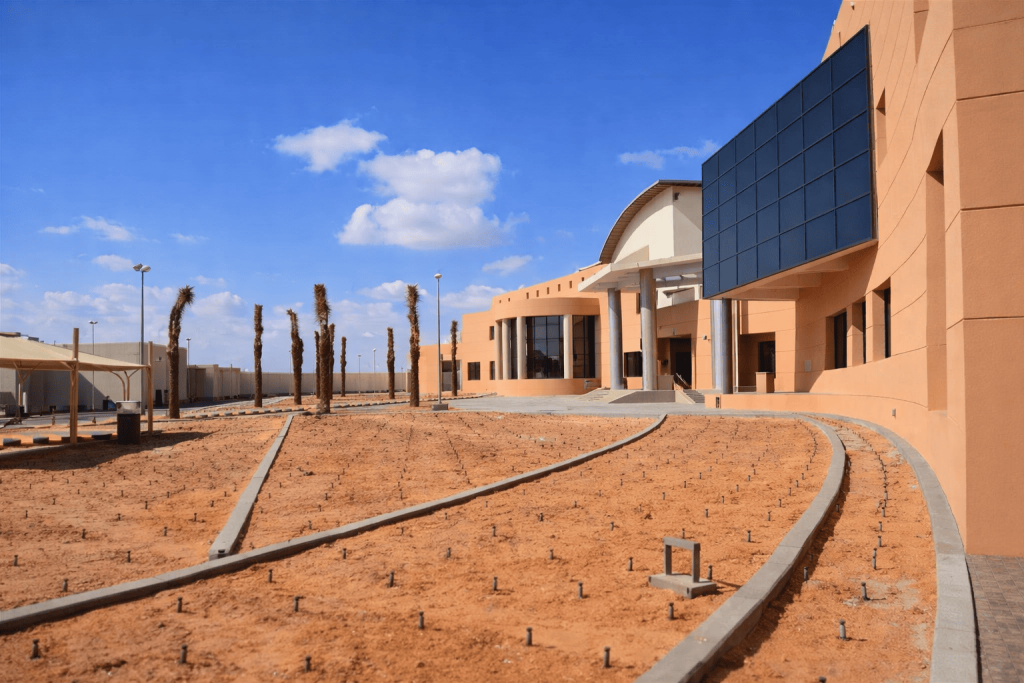
The Landscape Department is considered one of the most important divisions of Al Anhar Al Arabia Company for irrigation systems, agriculture, and greenhouses, as it was among the pioneers in the agricultural field. Over more than twenty years of continuous work, we have successfully completed numerous major projects across different cities of the Kingdom, gaining extensive experience in both private projects and governmental sectors. As a result, our company has been officially approved as a Landscape Contractor by the following entities:
Ministry of Social Affairs
Ministry of Municipal and Rural Affairs
Technical and Vocational Training Corporation
Officers’ Clubs of the Security Forces
Ministry of Defense
Government Farms – Ministry of Agriculture
King Saud University – Riyadh
Jouf University
Ministry of Water, Agriculture, and Environment
Some of the Company’s Projects in the Landscape Sector:
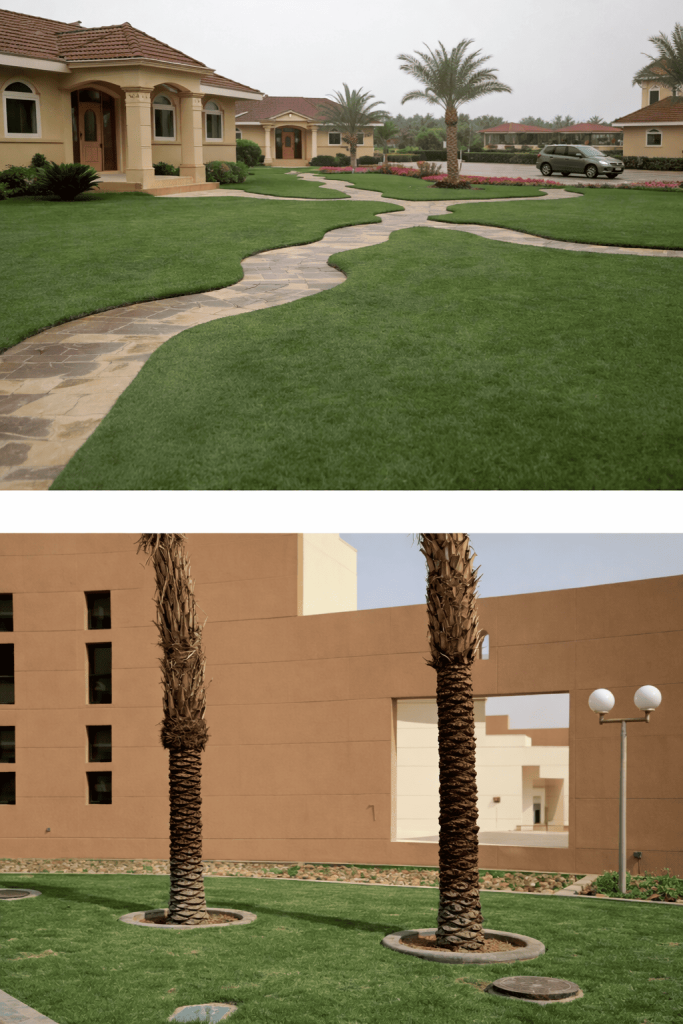
Execution of general landscape works for the Vocational Training Institute project in Shaqra Project area: 40,000 m² Client: Technical and Vocational Training Corporation Main Contractor: Dar Al-Muaddat Company (Contracting Sector)
Execution of general landscape works (Phase One) for the Ministry of Social Affairs building in Riyadh Client: Ministry of Social Affairs Main Contractor: Al Anhar Al Arabia Company
Design and implementation of irrigation and plantation networks for the military base playgrounds in Al-Sulayyil Client: Al-Sulayyil Military Base Main Contractor: Al-Emad Establishment
Design and implementation of irrigation and plantation networks for housing playgrounds of the military base in Al-Sulayyil Client: Al-Sulayyil Military Base Main Contractor: Al-Emad Establishment
Execution of irrigation and plantation network works for the Higher Institute for Girls in Al-Jouf Client: Technical and Vocational Training Corporation
Construction of an artificial grass football field with an area of 7,650 m² at the Technical College in Al-Qurayyat Client: Technical and Vocational Training Corporation Main Contractor: Dar Al-Muaddat Company (Contracting Sector)
Execution of the Technical Institute project in Maysan Governorate Client: Technical and Vocational Training Corporation Main Contractor: Masar Contracting Company
Execution of irrigation networks, plantation works, stone walkways, and decorative elements at Al-Awsat Farm via Nissaj Area: 15,000 m² Client: Farm of His Royal Highness Prince Ahmed bin Abdulaziz
Execution of irrigation networks and stone walkways at a farm in Wadi Al-Dawasir Area: 10,500 m² Client: Farm of His Royal Highness Prince Ahmed bin Abdulaziz
Design and execution of landscape works for Ajous Events Hall in Riyadh Area: 3,000 m² Client: Ajous Events Services
Specialized landscape design and irrigation network works for Al-Dahi Residence Client: Ministry of Municipal and Rural Affairs – Qurm Municipality, Riyadh Project area: 55,000 m²
- Execution of the irrigation network works and planting of 480 palm trees at an Ahfadiyah Farm in Al-Kharj Owner: Farms of His Royal Highness Prince Sultan bin Abdulaziz, Crown Prince
Some Executed Projects in the Field of Greenhouses:
Royal Farm Project – Makkah – Haras Farm – Kharsam Owner: Projects Administration of the Custodian of the Two Holy Mosques, King Fahd bin Abdulaziz Al Saud (may Allah have mercy on him) Scope of Work: Construction and operation works Project Area: (1 hectare)
Irshad Greenhouse Project – Makkah – Haras Road – Baljurashi Owner: Irshad Contracting Company (Agricultural Guidance Project) Project Area – Phase One: (2 hectares – agricultural halls)
Al-Kaabi Greenhouse Project – Makkah – Badr Owner: Sheikh Ibrahim Abdulaziz Al-Kaabi Project Area – Phase One: (5 dunums) Phase Two: (1 hectare of greenhouse halls)
Al-Awsat Greenhouse Project – Nisah Road – Riyadh Owner: Farm of His Royal Highness Prince Ahmed bin Abdulaziz Al Saud (may Allah protect him) Project Area: (10 dunums)
Al-Rayan Greenhouse Project – Makkah – Wadi Laban Owner: Farm of His Royal Highness Prince Ahmed bin Abdulaziz Al Saud (may Allah protect him) Project Area: (0.5 hectare)
Al-Rayan Air-Conditioned Greenhouse Project – Melon Cultivation – Baljurashi Owner: Al-Shamam Group Project Area: (1.5 hectares)
Irshadat Greenhouse Project – Riyadh – Al-Mahdah Owner: Farm of His Royal Highness Prince Sultan bin Abdulaziz Al Saud (may Allah protect him) Project Area: (0.5 hectare)